


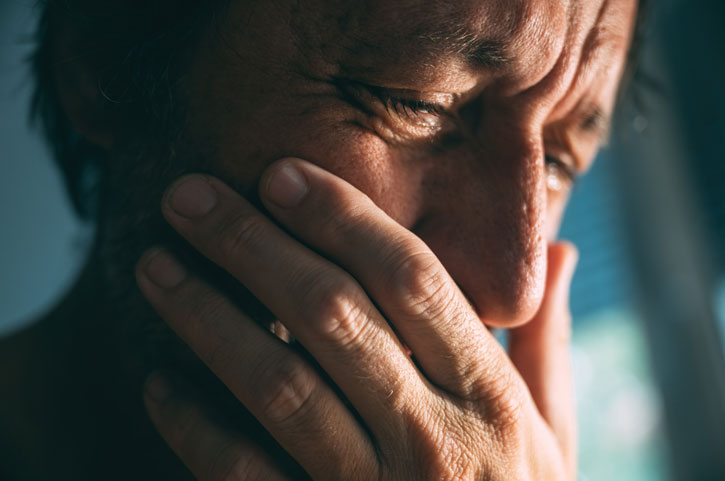
Alcohol shakes are involuntary tremors that happen when the body becomes dependent on alcohol and begins to experience withdrawal symptoms. They most often affect the hands and can start within hours after the last drink.
It usually starts small.
A slight tremor in your hands. Maybe you notice it when you’re holding a coffee cup or trying to type. At first, it is easy to brush off. You might blame stress, lack of sleep, or even too much caffeine.
But then it keeps happening. And eventually, you begin to notice something else.
It shows up when you have not had a drink.
That is when it gets harder to ignore.
Alcohol shakes are one of the clearest signs that your body has started to depend on alcohol. They are not random. They are not harmless. And they are not something you should just push through.
They are your body trying to find balance again.
Alcohol Shakes At a Glance
- Most common cause is alcohol withdrawal
- Can begin 6 to 24 hours after your last drink
- Often peak within 2 to 3 days
- Usually last a few days to a week
- Can be dangerous in severe cases
- Do go away with proper support and treatment
What Are Alcohol Shakes and Why Do They Happen
Alcohol shakes are involuntary tremors, most commonly in the hands, that occur after heavy drinking or when someone stops drinking.
They can feel mild, like a slight vibration, or more intense where your hands visibly shake. In some cases, it can affect your arms, legs, or even your whole body.
These shakes are most often tied to alcohol withdrawal. That is the process your body goes through when alcohol leaves your system after repeated use.
In simple terms, your body has gotten used to alcohol being there. When it is suddenly gone, everything has to adjust.
And that adjustment is not always smooth.
Why Do Alcoholics Shake?
One of the most common questions people ask is why do alcoholics shake.
The answer comes down to how alcohol affects your brain over time.
Alcohol slows things down. It acts as a depressant, calming your nervous system and reducing activity in the brain.
But your brain does not like being slowed down for long.
So it adapts.
It starts working harder behind the scenes to keep you alert and functioning. It increases activity to compensate for the constant presence of alcohol.
When alcohol is suddenly removed, your brain does not immediately return to normal. It is still operating in that overactive state.
That overstimulation shows up as symptoms like anxiety, sweating, restlessness, and shaking.
The body is trying to rebalance after being pushed out of its natural state.
What Causes Alcohol Shakes?
If you are wondering what causes alcohol shakes, there are a few key things happening at once.
First, your central nervous system becomes hyperactive. Without alcohol slowing things down, your body goes into overdrive.
Second, your brain chemistry is out of sync. Long term drinking affects neurotransmitters that control mood, movement, and stress.
Third, physical dependence plays a major role. When your body gets used to alcohol, it begins to rely on it to function normally.
And finally, anxiety can make everything worse. Withdrawal often brings a surge of stress and panic, which can amplify shaking.
All of this combined leads to alcohol withdrawal shakes.
Alcohol Withdrawal Shakes Timeline: What to Expect

Alcohol withdrawal shakes are often one of the first signs that your body is reacting to the absence of alcohol.
They can begin within hours after your last drink.
During the first day, people often experience shaking along with anxiety, irritability, and trouble sleeping.
By the second or third day, symptoms can peak. This is when shaking may feel more intense and other symptoms like sweating, nausea, and a rapid heart rate show up.
After several days, the body usually begins to stabilize and the shaking starts to fade.
This process is not the same for everyone. Some people experience mild shakes that pass quickly. Others go through more severe withdrawal that requires support.
How Long Do Alcohol Withdrawal Shakes Last
One of the biggest concerns people have is how long alcohol withdrawal shakes last.
For many people, shaking begins within six to twenty four hours after their last drink.
Mild tremors may last a couple of days.
More moderate symptoms can last up to a week.
In more severe cases, symptoms may linger longer, especially after long term heavy drinking.
Alcohol shakes are not permanent. They are part of a temporary adjustment period. But how long they last depends on how much and how often someone has been drinking.
Do Alcohol Shakes Go Away
Yes, alcohol shakes do go away.
But only when the underlying issue is addressed.
If someone continues drinking regularly, the cycle tends to repeat itself. They drink to feel normal. Then when alcohol wears off, the shakes return. So they drink again to stop the discomfort.
Over time, this cycle can become stronger and harder to break.
When someone stops drinking in a safe and structured way, the body begins to heal. The nervous system stabilizes. Brain chemistry starts to regulate.
And the shaking fades.
Shakes From Alcohol Versus Hangover Shakes
Not all shaking is the same.
Some people experience mild tremors after a night of heavy drinking. These are often related to dehydration, low blood sugar, or poor sleep.
Those are commonly referred to as hangover shakes.
They tend to be short lived and go away once the body recovers.
Shakes from alcohol withdrawal are different.
They are more persistent. They are often stronger. And they are tied to the absence of alcohol rather than the after effects of drinking.
If shaking happens regularly, especially when you have not had a drink, it is likely more than just a hangover.
Are Alcohol Shakes Dangerous
Alcohol shakes can be more than just uncomfortable.
In some cases, they can be a warning sign of more serious withdrawal symptoms.
Severe alcohol withdrawal can include confusion, hallucinations, and seizures.
This condition is a medical emergency.
Not everyone will experience this level of severity. But withdrawal can escalate quickly.
That is why stopping heavy drinking suddenly without support can be risky.
Who Is Most Likely to Experience Alcohol Shakes
Not everyone who drinks will experience alcohol shakes.
The risk increases with certain patterns of use.
People who drink heavily on a daily basis are more likely to develop dependence.
Those who have gone through withdrawal before may experience stronger symptoms in the future.
Mental health conditions like anxiety and depression can also increase risk.
Over time, the body becomes more sensitive to the absence of alcohol.
Other Symptoms That Come With Alcohol Shakes
Alcohol shakes rarely happen on their own.
They are usually part of a broader withdrawal experience.
This can include anxiety, sweating, nausea, headaches, and trouble sleeping.
Some people feel restless and unable to relax. Others feel emotionally on edge.
All of these symptoms are connected.
Can Alcohol Shakes Be Prevented
The most effective way to prevent alcohol shakes is to address alcohol use early.
Once dependence develops, the body begins to rely on alcohol to function normally.
If someone is already experiencing shakes, it is important not to stop suddenly without guidance if drinking has been heavy.
Support and structure can help reduce the intensity of withdrawal and lower risk.
Why Alcohol Shakes Are a Warning Sign
It is easy to ignore alcohol shakes in the beginning.
They can seem minor. Temporary. Something you can manage.
But they are often one of the earliest signs that alcohol use has crossed into dependence.
They are a message from your body.
It is telling you that something has changed.
Long Term Impact of Ignoring Alcohol Shakes
When alcohol shakes are ignored, they tend to return.
And often, they return stronger.
Withdrawal can become more intense over time. Each cycle can be harder than the last.
What starts as a small tremor can turn into something that affects daily life.
How to Stop Alcohol Shakes Safely

If you are experiencing alcohol shakes, the most important thing is to approach it safely.
Trying to push through withdrawal on your own can be risky.
Support matters.
A structured environment can help your body stabilize while reducing the risk of complications.
Hydration and nutrition help your body recover.
In some cases, medical support may be needed.
But long term, it is not just about stopping the shakes.
It is about building a foundation that keeps them from coming back.
When Alcohol Shakes Are a Sign It Is Time for Help
Alcohol shakes are often one of the first clear signs that alcohol has started to take control.
And that can be hard to admit.
But recognizing it early can make all the difference.
With the right structure, support, and environment, it is possible to move past the cycle of drinking and withdrawal.
At Jaywalker, a men’s rehab in Colorado, alcohol treatment goes beyond just getting through withdrawal. It focuses on helping men rebuild stability, develop accountability, and create a life where alcohol is no longer needed to cope.
Looking for a men’s only rehab for alcohol abuse? Jaywalker helps men find the right level of care to support lasting recovery.