


If you’re here looking for a simple answer, here it is:
Yes, smoking weed can lower blood pressure, but it’s not that simple.
In many cases, marijuana causes a temporary increase in heart rate and blood pressure right after use, followed by a drop in blood pressure shortly after. For some people, that drop can be noticeable enough to cause dizziness, lightheadedness, or even fainting.
And depending on your health, that drop may not be harmless.
Let’s break down what’s actually happening in your body and why the answer isn’t as straightforward as it seems.
How Marijuana Affects Blood Pressure
When you smoke weed, the active compound THC (tetrahydrocannabinol) interacts with your body’s endocannabinoid system, which helps regulate things like mood, pain, and, yes, cardiovascular function.
That interaction triggers a few key changes.
At first, your body reacts with a stimulating effect. Your heart rate increases. Blood vessels begin to expand. For some people, blood pressure can rise slightly during this initial phase.
But then things shift.
As THC continues to circulate, your blood vessels relax and widen. This process, called vasodilation, can cause your blood pressure to drop, sometimes quickly.
For many people, this feels mild. For others, it can feel like the room is spinning.
Why Weed Can Cause Low Blood Pressure
- Dizziness when standing up
- A sudden feeling of weakness
- Blurred vision
- Lightheadedness
- Nausea
- In more extreme cases, fainting
Why Do Some People Feel Dizzy After Smoking Weed?
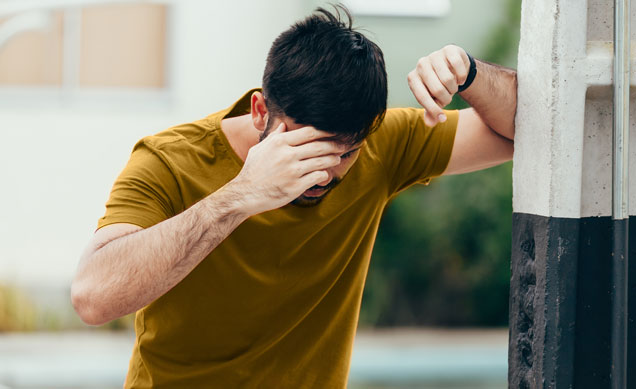
If you’ve ever stood up after smoking and felt off-balance or disoriented, you’re not imagining it.
That dizzy feeling is usually the result of a rapid drop in blood pressure combined with increased heart rate.
Your heart is working harder, but your blood pressure is lower. That mismatch can temporarily reduce blood flow to your brain.
The result?
That familiar “whoa, I need to sit down” feeling.
For some people, it passes quickly. For others, especially those who are dehydrated, new to cannabis, or using high-THC products, it can feel intense.
Does Weed Always Lower Blood Pressure?
No, and this is where a lot of content online gets it wrong.
Weed doesn’t affect everyone the same way.
In fact, marijuana can have opposite effects depending on timing, dosage, and the individual.
Short-term, the pattern often looks like this:
- Initial phase: Increased heart rate and sometimes increased blood pressure
- Later phase: Blood pressure drops as blood vessels relax
But not everyone experiences that drop in the same way. Some people may feel very little change. Others may feel it strongly.
And with long-term use, things get even more complicated.
Long-Term Effects of Marijuana on Blood Pressure
Research on long-term marijuana use and blood pressure is still evolving.
Research on marijuana and blood pressure is mixed. Some studies suggest long-term cannabis use may be associated with slightly lower resting blood pressure in certain individuals, while other research shows temporary increases in heart rate and blood pressure after use.
What we do know is this, marijuana doesn’t act like a predictable medication. Its effects vary widely based on:
- Frequency of use
- THC potency
- Individual tolerance
- Overall health
- Presence of underlying heart conditions
So while some people may experience lower blood pressure, that doesn’t mean weed is a safe or reliable way to manage it.
Can Low Blood Pressure from Weed Be Dangerous?
In many cases, the drop in blood pressure is mild and temporary.
But there are situations where it can become a real concern.
If your blood pressure drops too low, it can lead to:
- Fainting
- Falls or injuries
- Reduced blood flow to vital organs
- Increased strain on the heart
This risk is higher if you:
- Already have low blood pressure
- Take medications that affect blood pressure
- Are dehydrated
- Use high-potency THC products
- Have underlying cardiovascular issues
Even a brief fainting episode can be dangerous depending on where you are and what you’re doing.
Marijuana, Heart Rate, and Blood Pressure: The Full Picture
It’s important to zoom out for a second.
Blood pressure doesn’t exist in isolation. It’s part of a larger cardiovascular system and marijuana affects multiple parts of that system at once.
After smoking weed, many people experience:
- Increased heart rate (sometimes significantly)
- Changes in blood pressure (up, then down)
- Altered blood flow
That combination can put added stress on your body, especially if used frequently or in high doses.
And over time, those effects may contribute to broader cardiovascular risks.
Is Weed Safe If You Have Blood Pressure Issues?
This is one of the most common questions and the answer depends on your situation.
If you already have low blood pressure, marijuana may make symptoms worse.
If you have high blood pressure, it might seem like weed could help but the reality is more complicated. The initial spike in heart rate and blood pressure could actually be counterproductive.
And if you’re managing any kind of heart condition, it’s especially important to understand how cannabis might interact with your body.
There’s no one-size-fits-all answer, but assuming weed is harmless when it comes to blood pressure can be risky.
When Marijuana Use Becomes a Bigger Concern
For some people, the question isn’t just about blood pressure.
It’s about patterns of use.
Maybe you’ve noticed:
- You feel off physically after smoking, but keep using anyway
- You rely on weed to relax, sleep, or cope with stress
- You’ve tried to cut back and struggled
- The side effects are becoming harder to ignore
At that point, it’s not just about whether weed lowers blood pressure.
It’s about what role it’s playing in your life.
The Overlooked Connection Between Marijuana and Mental Health
- Anxiety levels
- Mood regulation
- Sleep cycles
- Motivation
What to Do If Weed Is Affecting Your Body
If you’re noticing symptoms like dizziness, lightheadedness, or sudden drops in energy after using marijuana, it’s worth paying attention.
Your body is giving you feedback.
You don’t have to panic, but you also don’t want to ignore it.
Start by asking yourself:
- How often am I using?
- Do I feel better or worse afterward?
- Have the side effects increased over time?
- Am I using it to cope with something deeper?
Those questions can tell you a lot.
When It’s Time to Take a Closer Look at Marijuana Use

If marijuana is starting to impact your health, whether that’s physical symptoms like dizziness and low blood pressure, or something harder to explain mentally, getting the right support can make all the difference.
At Jaywalker Lodge, we specialize in helping men who are beginning to question their relationship with substances like marijuana. You don’t have to be at rock bottom to benefit from treatment. In fact, many of the men we work with come in at this exact stage when something just feels off.
Maybe your body isn’t responding the way it used to. Maybe the side effects are getting harder to ignore. Or maybe you’re starting to realize that what once felt manageable is becoming something more.
That awareness matters. It’s often the first real step toward change.
Through structured, evidence-based marijuana rehab programs, Jaywalker helps men understand what’s going on beneath the surface while building healthier ways to cope, think, and move forward.
If you’re starting to question your marijuana use, don’t wait for things to get worse. Reach out to Jaywalker today and take that next step toward clarity, stability, and long-term recovery.
Looking for a men’s rehab for marijuana abuse? Jaywalker helps men find the right level of care and support to build a lasting recovery.
FAQs
Does smoking weed cause low blood pressure right away?
Can weed make you faint?
Is low blood pressure from marijuana dangerous?
Does CBD lower blood pressure too?
Should I stop using weed if I feel dizzy?